

Parenting Supports
Parenting Toddlers and Preschoolers
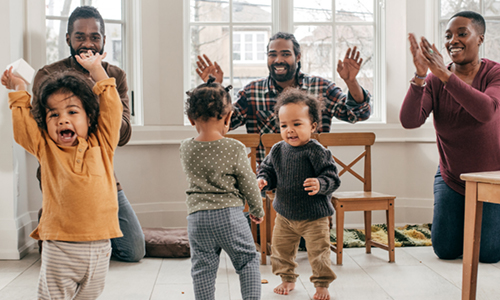
Build a stronger relationship with your child
Try our free interactive child and parent/caregiver program, Theraplay, led by Public Health Nurses and Clinical Therapists.

Contact Us
Call Health Connections 905-546-3550 to speak to a Public Health Nurse
Email [email protected]

@HealthyFamiliesHamilton

Toddlers & Preschoolers
Toddlers and preschoolers are growing and learning every day. Explore how you can help support their development.
The toddler and preschool years are filled with major milestones and strong emotions. It is also a time when each child’s unique temperament becomes easier to see.
How Parents and Caregivers Can Help
Everyone reacts differently to people, places, and situations. How we naturally respond and express ourselves is called temperament, which is often referred to as our personality.
Your child’s temperament is made up of unique traits that make them who they are. Learning about your child’s temperament can help you understand their needs and respond in a supportive way.
Understand Your Own Temperament
Just like your child, you have your own way of reacting to things, handling stress, and showing feelings. It is important to know that your temperament can affect how you respond to your child and how you parent. It is a parent and caregiver’s job to match their parenting response to their child’s temperament needs.
Get to Know Your Child’s Temperament
Your temperament is something you are born with. As your child grows, their temperament becomes easier to notice. Get to know more about your child’s unique temperament by paying attention to how your child acts in everyday situations. This can include noticing things like:
- How active they have
- How they react to new people or places
- How they show their feelings
Adjust Your Expectations
There is no good or bad temperament. Be realistic and expect that your child might act out when people, places and situations are not a good fit for their temperament. When your child is behaving in ways that are challenging for you, know that they are not trying to purposely bother or upset you. In these moments, it is important to be calm and patient before you respond. Accept your child for who they are and celebrate what makes them special.
Support Their Growth
When you understand your child’s temperament, you can:
- Respond in ways that match their needs
- Set age-appropriate expectations
- Help them feel safe, seen, and valued

All parents and caregivers have expectations for how they want their child to behave. Different families and cultures value different behaviours. Examples of behaviours often encouraged include listening, getting along with others, sharing, taking turns, patience, and showing kindness.
Learning these behaviours will help children to be successful as they grow. Think about which behaviours are most important for your family and focus on how to encourage those behaviours in your child.
Your Child’s Age & Stage Matters Too
Children’s behaviour changes as they grow. Toddlers are learning how to communicate, build social skills and manage strong emotions. As they grow into preschoolers, they also begin to develop their problem-solving skills and independence. Understanding your child’s development stage – and their unique temperament – can help you respond in ways that support their growth and learning. Learn more about development at Children's Growth & Development.
While toddlers and preschoolers are learning language, social, and self-regulation skills challenging behaviours are common. These can include not following directions, whining, hitting, biting, or having tantrums.
Children are more likely to show challenging behaviours when they are tired, hungry, bored, stressed, or feeling unwell. Try to stay calm and look for the reason behind your child’s behaviour.
Children don’t choose to act this way or try to manipulate you -- they need your help to learn how to feel calm and control their emotions.
Use everyday moments with your child like getting dressed, going for a walk, or preparing a meal to encourage positive behaviours you want to see. Here are some ways to encourage positive behaviours – and respond to challenging behaviours too:
Notice & Praise the Behaviour
Children learn best when you notice and praise them quickly for what they did well. Be specific about the behaviour you are praising.
- Showing kindness: “I am proud of you for checking on Mommy - that was kind.”
- Using words to express feelings: “Thanks for telling me you feel sad. Want a hug?”
- Picking up toys: “You’re so helpful! Thanks for picking up your toys.”
- Being patient: “Thanks for waiting for dinner. I know that’s hard.”
- Sharing: “Nice job sharing your toy with your friend.”
- Taking turns: “Good job taking turns on the slide with your brother.”
Praise helps build your child’s confidence and encourages them to keep trying. The more you pay attention to the behaviours you want to see, the more your child will do them.
Validate & Name Your Child’s Emotion
Toddlers often have strong emotions and need your help to understand their feelings. You can do this by acknowledging and naming the emotion they are experiencing.
- For example, “I see that made you very angry when your friend did not share their toy.”
When validating your child’s emotions, if possible, it helps to get down to their level, make eye contact, and provide undivided attention. It can also help to provide redirection.
- For example, “While your friend is playing with their toy, how about you and I play hide and seek?”
While your child’s brain is still developing, consistent validation, and naming their emotions will help them learn to understand their feelings.
Co-regulate Emotions & Hold Space for Your Child’s Feelings
Your calm presence helps your child find calm too. Overtime, they will learn to self-soothe.
- For example, “It is okay to cry. I am here with you.”
Role Model Positive Behaviour
Children learn by watching the people around them. Role model how to communicate, share, show concern, stay calm, and show respect in everyday interactions. It is helpful to label the behaviours you are role modeling for your child in the moment. Avoid yelling, threatening, or hitting so they don’t copy these behaviours too.
- For example, “I am feeling frustrated, I am going to take three deep breaths to help me feel calm.”
Use Routines & Prepare for Transitions
Routines help children know what to expect, make them feel safe, and secure. Children need routines that are consistent and predictable. Create routines based on your family values.
- For example, a morning routine may include changing their diaper, eating breakfast, brushing their teeth, and getting dressed.
Toddlers often struggle moving between activities. Prepare your child to help a make smoother transition.
- For example, “We need to leave the park when it gets dark outside. We have 5 more minutes to play”.
Provide many reminders and cues for your child as you approach the transition time.
- For example, “We have two minutes left to play”.
Provide Guidance & Opportunities to Practice
- Encourage positive behaviours during everyday interactions, especially during play.
- Practice social skills with other children at parks, libraries, and EarlyON centres.
- Prepare your child by explaining your expectations ahead of time.
- For example, “The library is very quiet because people are trying to focus. We use our indoor voices while inside the library.”
Rules and clear limits help keep your child safe and support their well-being. Children learn what is expected of them when you set clear family rules and limits.
- Keep rules simple and consistent: Having a few simple rules can help your child behave well. Rules should tell your child what to do. Clear instructions make it easier for your child to understand your expectations. For example, “Hold my hand when you are in parking lot.”
- Communicate calmy and respectfully: Focus on calmly telling your child what you expect of them. Your tone models how to interact with others.
- Rules should be fair: Expectations for your child’s behaviour will change as your child grows. Rules and instructions will work best if they match your child’s abilities and stage of development.
- Teach what you want to see: Focus on the behaviour you want to encourage, instead of the behaviour you don’t want to see. For example, say “Walk beside me” instead of “Don’t run!”
- Praise positive behaviour: Notice when your child follows rules or listens to your guidance. This builds their confidence and encourages them to repeat the behaviour.
Learn more about Positive discipline for young children | Caring for kids and How to set limits (children up to 5 years of age).
Children’s challenging behaviours can feel frustrating. They can feel even more challenging if you are tired, stressed, or unwell. It is important to take care of yourself.
- Have realistic expectations for yourself. We all have moments where we may not respond in the best way, it is important to be kind to yourself. Think about how you can respond differently next time. Just like your child needs practice to learn a new behaviour, you are also learning alongside your child. Don’t expect perfection. Focus on how you are responding to your child most of the time.
- Have realistic expectations for your child. Toddlers and preschoolers are learning how to communicate their emotions and needs. Tantrums and other challenging behaviours are a part of this stage of development, and often not a reflection of your parenting.
- Take time to do things to care for yourself. When you practice self-care to ensure that your needs are met, you are better able to respond to your child and others in a calm, kind, and understanding way. Find simple strategies for self-care in Taking Care of Yourself.
Creating Daily Routines & Practicing Skills
Practice skills and create routines that your child can use daily and prepare them for the school-aged years.
Community Resources
- Contact Hamilton | Children's & Developmental Services – a free local resource available to assist children, youth, and parents/caregivers to connect individuals with developmental services including community supports, respite, and skill development.
- Lynwood Charlton Centre | Mental Health Service Provider – a free local resource for mental health available to children, youth, and parents/caregivers offering crisis support, programs, services, and support accessing available supports in Hamilton.
Date modified