

A Stronger Hamilton Is Taking Shape
Creating Safe & Thriving Neighbourhoods


Strong neighbourhoods are places where people can build their lives and feel connected to the communities around them. That starts with the essentials: a safe and affordable place to live, reliable ways to get around, parks and recreation, welcoming public spaces and opportunities to take part in community life.
As Hamilton grows, the City is working to make these essentials available across the city. That means expanding access to housing, improving how people move around, investing in places to play and gather and creating more opportunities for people to participate in their neighbourhoods.
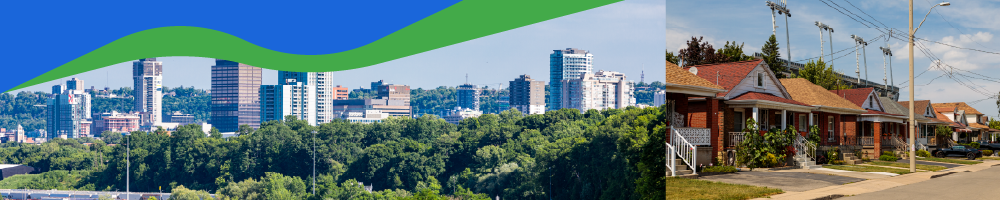
Expanding access to housing
A stable home gives people a foundation from which to work, learn, raise a family and take part in their community. When housing costs rise or someone is at risk of losing their home, timely support can help people maintain that stability.
- More than 4,000 households received $5.37 million in support for rental and utility arrears through the Housing Emergency Fund, helping residents address financial pressures that could put their housing at risk.
- The approved Jamesville redevelopment allows for up to 540 homes, including approximately 160 affordable units, creating the potential for more housing options in Hamilton.
- More than 34% of residents at the Tiffany-Barton shelter project moved into permanent housing, helping people transition from shelter to more stable living arrangements.
- Shelter capacity increased by 80%, alongside the creation of 97 supportive housing units and 43 transitional living spaces, expanding access to shelter and housing supports for people who need them.
- Housing development approval timelines were reduced by 123 days, or 46%, through the All4One pilot, helping move housing applications through the approval process more quickly.
- Rental housing accounted for 33% of housing starts in 2025, exceeding the City's target and contributing to a wider range of housing options.
- The City supported a 100% Development Charge reduction to encourage housing construction, increase housing supply and support long-term housing affordability in Hamilton.
- The City took urgent action to address unsheltered homelessness and provide emergency support, adding 272 beds to the shelter system, including 80 outdoor shelter beds, with supportive services included through the emergency shelter expansion.
- The City secured $572 million in provincial funding to accelerate infrastructure, housing growth and affordability, helping support housing development and ensure community infrastructure can keep pace with growth.
Together, these measures provide support for people at risk of losing their homes, expand temporary and supportive accommodation and help create conditions for more housing in Hamilton. Some initiatives are already delivering support, while others will contribute to housing options over time.
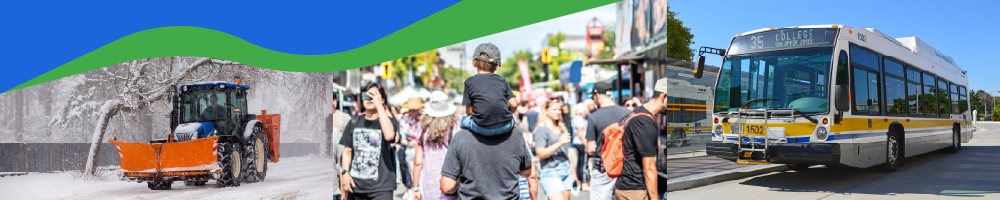
Making it easier and safer to get around
Being connected to a community means being able to get to the places that matter: work and school, appointments, shops, parks, recreation and the people we care about. Safe streets, accessible sidewalks, reliable transit and connected cycling routes give people more ways to participate in community life.
Hamilton has continued to invest in the transportation infrastructure residents use every day.
- Through Vision Zero, speed limits were lowered from 40 km/h to 30 km/h in school zones across all 227 neighbourhoods, helping reduce vehicle speeds where children and families travel to and from school.
- The City also approved an accelerated active transportation plan delivering 140 kilometres of new and upgraded cycling, walking and trail infrastructure, giving residents more options to travel actively and connect with neighbourhood destinations.
- The City repaired approximately 75,000 potholes in 2026 to improve road conditions and make travel more comfortable for people using Hamilton's streets.
- Sidewalk snow-clearing coverage expanded from 397 kilometres to more than 866 kilometres, with the expansion focused on transit routes and stops, helping improve winter access for people walking to transit and other destinations.
- The City maintains approximately 6,500 lane kilometres of roads, 2,500 kilometres of sidewalks and 414 kilometres of bike lanes, along with bridges and street lighting, helping keep transportation infrastructure safe and accessible.
- With the HSR Fare Assist discount permanently increased from 30% to 50%, public transit is more accessible and affordable for residents.
- The Hidden Disabilities Sunflower program helps riders discreetly indicate when they may need extra time, patience or support, helping make transit more welcoming for people with non-visible disabilities.
- HSR Next targets a 55.4% expansion in transit service by 2032, while the new Birch Transit Centre can house 200 buses with space for 100 more, providing capacity to support future service growth.
- The City met 94% of a planned 369,000 increase in service hours as part of the completed 10-year Local Transit Strategy, expanding transit service and helping residents reach jobs, education, services and other destinations.
- The City achieved 21.3 million transit rides in 2025, fully recovering ridership after the pandemic and demonstrating the importance of transit in connecting people with work, education and community life.
- The City piloted digital displays at bus stops. In the pilot, 85% of riders reported that the displays improved the overall customer experience and 91% of people with disabilities said the displays met their personal accessibility needs, helping riders access information about their journeys.
- Street and cycling lane sweeping in downtowns and BIAs increased from once to twice weekly, helping keep these areas cleaner for people walking, cycling and visiting local businesses.
- Bike Share ridership has doubled to approximately 700,000 rides annually, giving residents and visitors another way to travel around Hamilton.
- Open Streets and Art Crawl road closures created more opportunities for residents to walk, cycle, gather and participate in community life while supporting activity in local areas.
These investments help residents get where they need to go, improve access to transit and active transportation and keep the streets, sidewalks and public spaces people rely on safe and accessible.
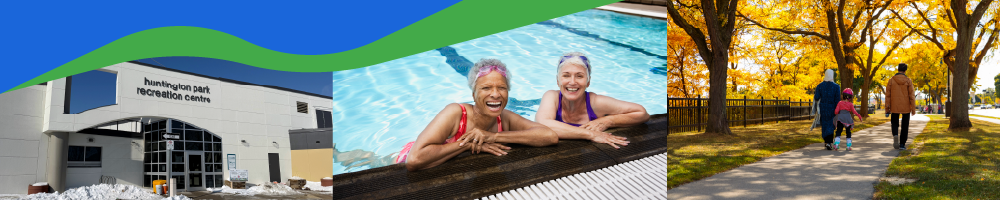
Creating places to play, gather and belong
A strong community needs places where people can spend time together. Parks, recreation facilities, public spaces and community programs create opportunities for people to be active, meet neighbours, build relationships and feel a sense of belonging.
Across Hamilton, the City has invested in spaces and programs that bring people together and make participation more accessible.
- Downtown litter collection expanded from weekdays to seven days per week, helping keep public spaces cleaner for residents, workers and visitors
- The number of winterized park washrooms increased from 15 in 2021 to 28 by 2025, keeping more park facilities available year-round.
- Seniors programming expanded to include 19.5 hours of public skating and 22 hours of shinny hockey each week for adults 55 and older, along with four hours of weekly shinny for adults 65 and older, creating more opportunities for older adults to stay active and socially connected.
- More than 900 new youth participated in sports, social and job-readiness activities through Youth Recreation Week, helping young people build skills, connect with peers and take part in community life.
- Reopened the renovated recreation facilities Huntington Park Recreation Centre and Sir Wilfrid Laurier Recreation Centre with enhanced amenities and accessibility improvements, giving residents more opportunities to participate in recreation.
- James Street Plaza at Piers 6 and 7 added a new waterfront space for community events and activities, creating another place for people to gather and enjoy Hamilton's waterfront.
- Accessibility improvements were made at Victoria Park Outdoor Pool, Chedoke Twin Pad and Eastwood Park spray pad, helping more people access and enjoy recreation facilities.
These are the everyday spaces, programs and experiences that help people participate, connect with others and feel at home in their communities.
Date modified